
Edmonton Airbnb Rules: What Short-Term Rental Hosts Need to Know in 2026
Edmonton requires a $94/year business licence and collects a 6% tourism levy. Council has directed staff to return with tighter restrictions. Here is every current rule that affects Edmonton STR hosts.


On this pageShow
✅ Key Takeaways:
- Business licence: $101/year for a new licence ($91 renewal) on the City's 2026 fee schedule; the licence number must appear on all ads
- Tourism levy: 6% since April 1, 2026 (up from 4%); platforms like Airbnb remit when they process your payments, but direct bookings mean you register and remit yourself
- No primary-residence requirement as of August 2026; city staff recommended against new restrictions in September 2025, but draft amendments exist and a 2026 lodging-house review touches STRs
- Condo bylaws may ban STRs entirely. Always verify before buying.
- Development permit required if renting 4 or more sleeping units separately in one building
The Tourism Levy Is Now 6%
Alberta's tourism levy increased from 4% to 6% on April 1, 2026. Every stay under 28 consecutive days is subject to this levy on the accommodation price, plus associated fees such as cleaning charges, pet fees, and booking charges.
Online platforms like Airbnb and VRBO must register with Alberta and collect and remit the levy when they process guest payments. That registration requirement for online brokers has been mandatory since October 1, 2024. If you only accept bookings through a platform, the platform handles remittance. If you accept any direct payments from guests outside a platform, you must register with Alberta Tax and Revenue Administration through its TRACS portal and remit yourself.
Exemption: a narrow one exists, but only for lodging not listed on an online marketplace (your own website is fine), priced under $30/day or $210/week, with gross accommodation revenue under $5,000 in the previous 12 months and reasonably estimated to stay under $5,000 in the next 12. Listing on Airbnb or VRBO takes this exemption off the table.
Step 1: Get a Business Licence ($101/Year)
Edmonton has licensed short-term rentals since 2019, with operational plan and advertising requirements added in 2020 and 2022. The current category is "Residential Rental Accommodation (Short-Term)" under Bylaw 20002, a Tier 2 business licence. On the 2026 fee schedule, effective January 15, 2026, a new one-year licence costs $101 and an on-time renewal costs $91. A two-year licence is $191. Apply through Edmonton's online self-serve portal under the Home-Based Business category.
Your licence number must appear on every advertisement for the rental. This applies whether you live on-site or not. Airbnb now requires Edmonton hosts to enter a business licence number before listing, which pushed licensed short-term rentals in the city from 1,085 in May 2024 to 1,843 in June 2025, a 70% jump, according to a September 2025 city report.
Step 2: Know the Rules for Your Situation
If you live on-site during stays:
- Maximum 2 sleeping units, with a maximum of 2 guests per sleeping unit
- Renting more than 2 sleeping units requires a Major Home-Based Business Development Permit before the City issues the licence
If you do not live on-site:
- The entire dwelling can be rented (no unit cap currently in place)
All hosts must:
- Submit an Operational Plan (guest management document) with the licence application
- Provide the City's "Information for Guests" guide at check-in
- Post a contact phone number inside the rental
- Meet the fire and life-safety requirements in the City's Information for Hosts guide
- Follow the Community Standards Bylaw: noise that disturbs others is prohibited at any hour, and stricter nighttime limits run 10 PM to 7 AM
- Follow parking and waste collection rules on the property
Step 3: Check Your Condo Bylaws
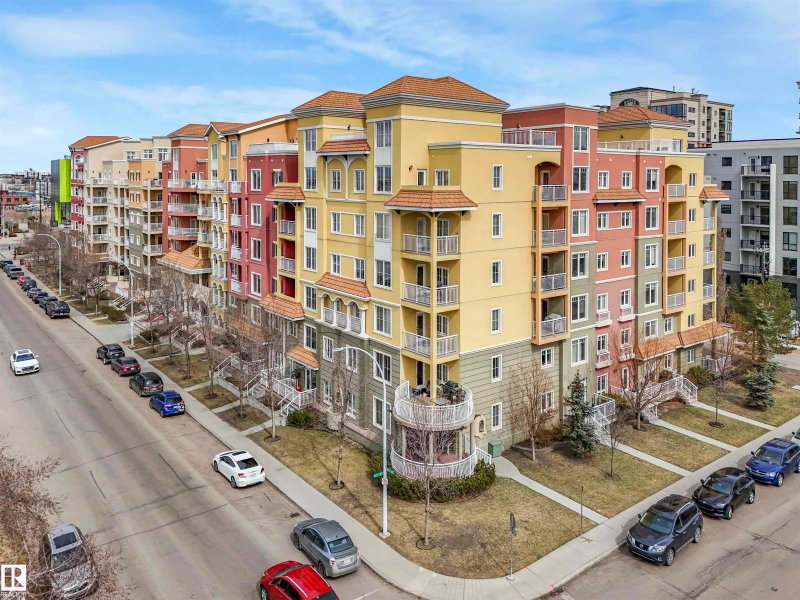
This is where many hosts get caught. Edmonton's zoning bylaw does not prohibit STRs in residential zones, but your condo corporation bylaws might. Many Edmonton condo boards explicitly ban short-term rentals. Verify before you buy or list.
If you are evaluating a condo purchase as an STR investment, request the current bylaws and meeting minutes from the seller's lawyer before conditions are removed. Factor in Alberta closing costs: there is no land transfer tax in Alberta, but legal fees, title insurance, and home inspection still apply.
Browse Edmonton condos for sale to see what is currently available at various price points.
 Short term rentals
Step 4: Development Permits
A Development Permit and Building Permit are both required if:
- You rent 4 or more sleeping units separately in one building (the City treats this as a lodging house rather than a standard short-term rental)
- You make physical changes to the property (adding bedrooms, finishing a basement)
Watch this threshold. The City is reviewing its lodging-house rules, including how lodging houses are defined and how hourly short-term rentals are handled, with a report targeted at the July 2, 2026 Urban Planning Committee. A tighter definition would pull more multi-room rental setups into development permit territory.
What Council Is Working On
In April 2024, city council directed administration to review short-term rental regulations and draft an amendment that would require hosts to remain on the premises while guests stay. Administration reported back to the Urban Planning Committee on September 9, 2025 and recommended against new restrictions. The report called a host-on-premises rule unenforceable in practice, flagged legal risk, and noted that short-term rentals accounted for just 98 of roughly 29,000 property complaints in 2024, about 0.3%. Administration still prepared the requested draft amendments, plus alternative options such as licensing the rental platforms themselves and a three-strikes licence suspension for problem properties.
As of August 2026, none of those changes are in force. Edmonton has no primary-residence requirement and no cap on rental days. One live file to watch is the City's lodging-house review, which also covers hourly short-term rentals; the City targeted a report at the July 2, 2026 Urban Planning Committee and still lists the changes as under exploration.
⚠️ Watch Out: Edmonton's STR rules are stable today, but they are one council vote away from changing. Draft host-on-premises amendments already sit on the shelf, and the 2026 lodging-house review reaches into short-term rentals. If your purchase only works as a full-time whole-home STR, stress-test the numbers against a scenario where that gets restricted.
For context on how Edmonton's rental market shapes STR demand, the townhouse investment guide and legal basement suite guide cover the long-term rental side of the equation.
The Numbers: Is Edmonton STR Worth It?
Condos are the usual entry point for Edmonton STR investors, and the entry price is low. The average condominium apartment in Greater Edmonton sold for $214,521 in July 2026, up 2.3% from a year earlier, according to the REALTORS® Association of Edmonton. Browse recent Edmonton sold prices to see what individual units are actually trading for.
Revenue is the harder half of the equation. No official source publishes Edmonton-wide short-term rental income data, and third-party estimates vary widely, so treat any single nightly-rate or occupancy figure you see online with caution. Build your projection from comparable active listings in the building you are targeting, then subtract condo fees, property taxes, insurance, cleaning, platform fees, the business licence, and the 6% tourism levy. Use the cap rate calculator to compare the result against a conventional long-term rental of the same unit, and price the pending regulatory review into your downside case.


Compliance Checklist
- Business licence ($101/year new, $91 renewal, number on all ads) from edmonton.ca
- Tourism levy: confirm platform remits on your behalf, or register in TRACS
- Operational Plan filed with the City
- Guest information guide printed and available at check-in
- Host phone number posted inside the rental
- Fire and life-safety requirements from the City's host guide met
- Condo bylaws verified (STRs permitted?)
- Insurance reviewed (standard policies typically exclude commercial hosting)
Regulatory information current as of August 2026. Verify current fees and requirements at edmonton.ca before applying.
🎯 The Bottom Line: Edmonton's entry price is the draw: the average condo apartment sold for $214,521 in July 2026, per the REALTORS® Association of Edmonton. The 6% tourism levy, the City's open regulatory file, and condo bylaw risk make due diligence non-negotiable. Confirm your building allows STRs, licence the unit, and stress-test your numbers against tighter rules before you buy.
Frequently Asked Questions
Do I need a business licence for Airbnb in Edmonton? Yes. A Residential Rental Accommodation (Short-Term) licence costs $101/year for a new licence, or $91 for an on-time renewal, under Bylaw 20002 on the City's 2026 fee schedule. Your licence number must appear on all advertisements. Apply through Edmonton's online self-serve portal under the Home-Based Business category.
What is the tourism levy rate in 2026? 6%, effective April 1, 2026, up from 4%. It applies to stays under 28 consecutive days. Platforms like Airbnb and VRBO collect and remit the levy when they process your payments; online brokers have had to register with Alberta since October 1, 2024. You only register in TRACS yourself if you accept direct payments outside a platform.
Can my condo corporation ban Airbnb? Yes. Many Edmonton condo bylaws prohibit short-term rentals. Always verify the current bylaws and recent meeting minutes before buying a unit for STR purposes. The zoning bylaw permits STRs in residential zones, but a condo board can override that with its own rules.
Is a primary-residence requirement coming to Edmonton? No rule is in force as of August 2026. City administration recommended against a host-on-premises requirement in its September 2025 report, calling it unenforceable, but draft bylaw amendments exist and council can still act on them. A separate lodging-house review that touches short-term rentals was targeted at the July 2, 2026 Urban Planning Committee. Plan for the possibility.
How many licensed short-term rentals does Edmonton have? The City counted 1,843 licensed short-term rentals in June 2025, up 70% from 1,085 in May 2024, according to a September 2025 council report. The jump came mainly from Airbnb requiring Edmonton hosts to enter a business licence number before listing.
Sources
- City of Edmonton
- Government of Alberta
- CBC News
- Airbnb Canada
- Government of Alberta
- City of Edmonton
- City of Edmonton
- Government of Alberta
- City of Edmonton (Urban Planning Committee report UPE02476)
- City of Edmonton
- Government of Alberta
- City of Edmonton
- City of Edmonton
- City of Edmonton
- City of Edmonton (report UPE02476)
- City of Edmonton

John Rota is a REALTOR® and co-founder of one of Edmonton's top-producing real estate teams, established in 2017. Born and raised in Edmonton, he studied Construction Engineering Technology at NAIT and worked in residential construction before moving into real estate, bringing a builder's eye to construction quality, renovations, and what actually drives a home's value. John writes and reviews Edmonton market and mortgage coverage for homm.ca, grounded in live MLS® data.
What's your home worth?
Get a free home valuation based on recent sales in your area.
Get Your EstimateKeep reading
Financing a Rental Property in Canada: Down Payment and Rules
Rental properties in Canada require at least 20% down. Here are the federal financing rules, the stress test, and a worked Edmonton example using current MLS prices.
Secondary Suites and Garden Suites in Edmonton: Rules and ROI
A legal secondary suite can turn an Edmonton home into an income property. Here are the permits, building code rules, financing programs, and the real ROI numbers.
How to Find a Positive Cash Flow Rental in Edmonton
A positive cash flow rental pays you every month after every cost is covered. Here is how to find one in Edmonton, with real MLS prices, CMHC rent data, and a full worked example.
How to Buy a Rental Property in Edmonton (2026)
A 2026 guide to buying an investment property in Edmonton: how much you need down, the financing and stress-test rules, real MLS price anchors, Alberta landlord laws, and a worked cap rate example.